

You are using an out of date browser. It may not display this or other websites correctly.
You should upgrade or use an alternative browser.
You should upgrade or use an alternative browser.
Blew my Mind, Holosun is owned by the CCP/PLA
- Thread starter Gawernator
- Start date




Haha. Like the pager bombs!they will all detonate , we've seen it before..
Actually that's exactly what Huanic "engineers" (there's a funny story here) did. The Sig deal did improve Holosun so far as it comes to the bolt that tightens the clamp. They likely aren't the only supplier, but I would say they are a majority supplier. The Sig deal is crazy to me because they make all the parts in China, then send them here to be assembled and it all gets stamped mad in the USA. Supporting a company that supplies the PLA helps the build up, because they use data from US consumers to improve the stuff that goes to the PLA.That article does some good supply chain forensics but I'm not sure that I completely agree with their conclusions.
Is Huanic the only PLA optics supplier? If they aren't, who else is supplying them and what kind of market share are we talking about? The article's PLA social media screenshots are tantamount to sampling bias.
Are Huanic's engineers incapable of simply buying Trijicon / Aimpoint optics and reverse engineering them such that they require American reviews, product improvement suggestions, and money in order to modernize the PLA, and furthermore are those engineers not talented enough to produce their own tech?
Citing the Sig Romeo deal and the alleged subsequent improvement of holosun's products is speculation not evidence. SIG wasn't an optics company before they partnered with Huanic. So if the article wants to imply that some sort of technological transfer happened, they would need to point out what it was. And they also need to answer the question: why partner with Huanic at all if Sig could already engineer it?
I guess my issue is that I don’t think the evidence presented in the article actually establishes that Americans are materially aiding the PLA’s military buildup by buying Holosun optics. The corporate relationships are well supported but the causal link is not.

- Messages
- 5,934
- Classified ads
- 1
This doesn’t seem true. Doubt it says made in USA if that’s accurateActually that's exactly what Huanic "engineers" (there's a funny story here) did. The Sig deal did improve Holosun so far as it comes to the bolt that tightens the clamp. They likely aren't the only supplier, but I would say they are a majority supplier. The Sig deal is crazy to me because they make all the parts in China, then send them here to be assembled and it all gets stamped mad in the USA. Supporting a company that supplies the PLA helps the build up, because they use data from US consumers to improve the stuff that goes to the PLA.

- Messages
- 145
- Classified ads
- 1
I don't understand what you're even referring to. What exactly did Huanic's engineers do? How did the Sig deal specifically improve Holosun? The Romeo 5 is not stamped as made in the U.S. (see below)Actually that's exactly what Huanic "engineers" (there's a funny story here) did. The Sig deal did improve Holosun so far as it comes to the bolt that tightens the clamp. They likely aren't the only supplier, but I would say they are a majority supplier. The Sig deal is crazy to me because they make all the parts in China, then send them here to be assembled and it all gets stamped mad in the USA. Supporting a company that supplies the PLA helps the build up, because they use data from US consumers to improve the stuff that goes to the PLA.
Also what data from U.S. consumers is helpful for product improvements?
- pls fix the blue tint
- pls make more reticle options
- pls use better glass
- pls use 7075-t6 aluminum
- pls use RMR footprint
- pls make a big competition optic that is more durable than the Trijicon SRO
do you honestly believe that an engineer can't think of this beforehand, and couldn't figure it out by inspecting a Trijicon or an Aimpoint? They are aware of all of this. The question is how to produce an optic at the price point they need to hit with the manufacturing technology that is available for them to do it. Designing and scaling the manufacturing tech is the hard part, not figuring out how to project a dot onto glass in a durable housing.
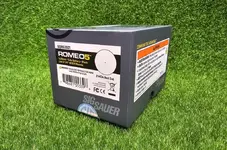
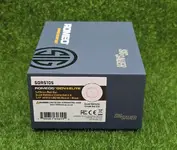
Last edited:
Referring to the reverse engineering. The sig deal may have changed, but I know in years past the parts were shipped here in foam trays and assembled here which allowed the USA markings. I wonder what the girls who used to do that job are doing now. Holosun used to use a very weak cross bolt, sig demanded a heavier one, and that trickled into Holosun. They release commercial units here before their domestic brand presents them for military use. The bugs get worked put while consumers are using them then they go to the other brand.I don't understand what you're even referring to. What exactly did Huanic's engineers do? How did the Sig deal specifically improve Holosun? The Romeo 5 is not stamped as made in the U.S. (see below)
Also what data from U.S. consumers is helpful for product improvements?
- pls fix the blue tint
- pls make more reticle options
- pls use better glass
- pls use 7075-t6 aluminum
- pls use RMR footprint
- pls make a big competition optic that is more durable than the Trijicon SRO
do you honestly believe that an engineer can't think of this beforehand, and couldn't figure it out by inspecting a Trijicon or an Aimpoint? They are aware of all of this. The question is how to produce an optic at the price point they need to hit with the manufacturing technology that is available for them to do it. Designing and scaling the manufacturing tech is the hard part, not figuring out how to project a dot onto glass in a durable housing.
View attachment 250936View attachment 250935
- Messages
- 5,934
- Classified ads
- 1
Blue tint is a feature not a bug, part of how brands like Trijicon get such wild battery life with the dot on 24/7I don't understand what you're even referring to. What exactly did Huanic's engineers do? How did the Sig deal specifically improve Holosun? The Romeo 5 is not stamped as made in the U.S. (see below)
Also what data from U.S. consumers is helpful for product improvements?
- pls fix the blue tint
- pls make more reticle options
- pls use better glass
- pls use 7075-t6 aluminum
- pls use RMR footprint
- pls make a big competition optic that is more durable than the Trijicon SRO
do you honestly believe that an engineer can't think of this beforehand, and couldn't figure it out by inspecting a Trijicon or an Aimpoint? They are aware of all of this. The question is how to produce an optic at the price point they need to hit with the manufacturing technology that is available for them to do it. Designing and scaling the manufacturing tech is the hard part, not figuring out how to project a dot onto glass in a durable housing.
View attachment 250936View attachment 250935
- Messages
- 5,934
- Classified ads
- 1
Checked my box and it does not say MADE IN USA on the Romeo X pro. It only says assembled in the USAActually that's exactly what Huanic "engineers" (there's a funny story here) did. The Sig deal did improve Holosun so far as it comes to the bolt that tightens the clamp. They likely aren't the only supplier, but I would say they are a majority supplier. The Sig deal is crazy to me because they make all the parts in China, then send them here to be assembled and it all gets stamped mad in the USA. Supporting a company that supplies the PLA helps the build up, because they use data from US consumers to improve the stuff that goes to the PLA.
- Messages
- 1,662
- Classified ads
- 4
The DPP footprint is superior, it has narrower screw spacing but is longer (see the overhang on the SRO and other optics) so can be direct milled on 1911/2011/CZ and similar slides while RMR needs a plate. RMR footprint should die a quiet death.I don't understand what you're even referring to. What exactly did Huanic's engineers do? How did the Sig deal specifically improve Holosun? The Romeo 5 is not stamped as made in the U.S. (see below)
Also what data from U.S. consumers is helpful for product improvements?
- pls fix the blue tint
- pls make more reticle options
- pls use better glass
- pls use 7075-t6 aluminum
- pls use RMR footprint
- pls make a big competition optic that is more durable than the Trijicon SRO
do you honestly believe that an engineer can't think of this beforehand, and couldn't figure it out by inspecting a Trijicon or an Aimpoint? They are aware of all of this. The question is how to produce an optic at the price point they need to hit with the manufacturing technology that is available for them to do it. Designing and scaling the manufacturing tech is the hard part, not figuring out how to project a dot onto glass in a durable housing.
View attachment 250936View attachment 250935
- Messages
- 5,934
- Classified ads
- 1
Hmmmmm you sold me RMR footprintThe DPP footprint is superior, it has narrower screw spacing but is longer (see the overhang on the SRO and other optics) so can be direct milled on 1911/2011/CZ and similar slides while RMR needs a plate. RMR footprint should die a quiet death.
- Messages
- 1,662
- Classified ads
- 4
You only have fat slidesHmmmmm you sold me RMR footprint

- Messages
- 384
- Classified ads
- 3
Not sure if this is sarcasm or not, but this isn’t true btwThe DPP footprint is superior, it has narrower screw spacing but is longer (see the overhang on the SRO and other optics) so can be direct milled on 1911/2011/CZ and similar slides while RMR needs a plate. RMR footprint should die a quiet death.
You can ask Vigilante Machining, who does this for a living (and does it well)
- Messages
- 1,662
- Classified ads
- 4
what's not true?Not sure if this is sarcasm or not, but this isn’t true btw
You can ask Vigilante Machining, who does this for a living (and does it well)
- Messages
- 384
- Classified ads
- 3
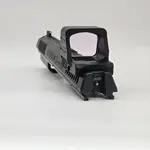
Your first sentence is factually incorrectwhat's not true?
Attachments
- Messages
- 1,662
- Classified ads
- 4
Ok you can do it on a shadow 2 but not an SP-01, 75, or a 1911/2011 unless you make the slide wider like you see on stealth arms for instance. Thank you for the minor correction.Your first sentence is factually incorrect