


- Messages
- 1,058
Supreme Court considers double jeopardy with regard to federal firearm offense
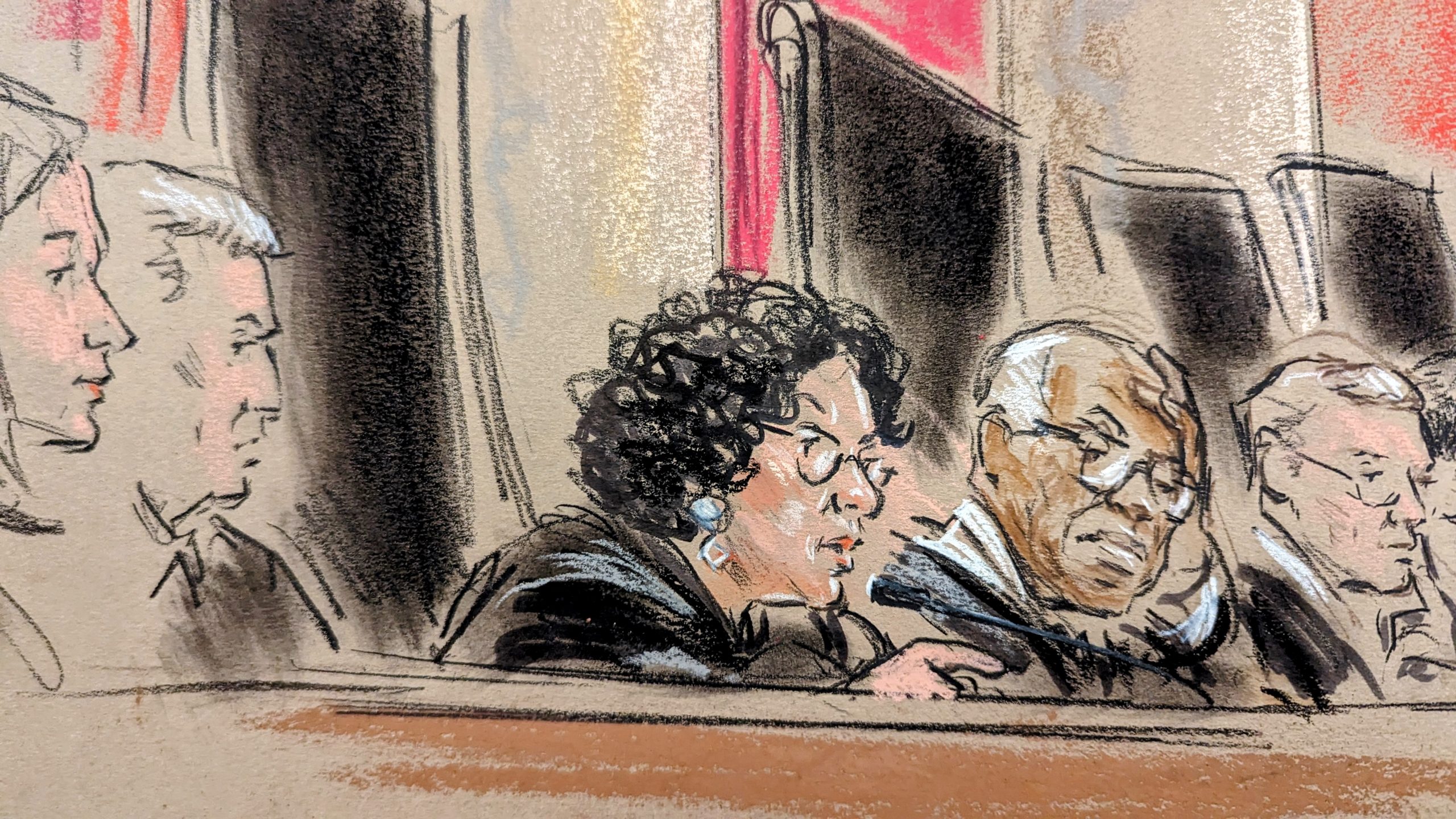
 www.scotusblog.com
In Barrett v. United States, the Supreme Court is considering whether the double jeopardy clause prohibits a defendant from receiving a separate firearm conviction and sentence under 18 U.S.C. §§ 924(c) and 924(j) for the same criminal conduct. Section 924(c) prohibits the possession, carrying, or use of a firearm to advance either a federal crime of violence or a drug-trafficking offense. Section 924(j) applies, in turn, when a defendant who violates Section 924(c) also “causes the death of a person through the use of a firearm.”
The parties in the case do not dispute that generally, when one crime is a lesser-included offense of another (that is, one crime’s offense elements are a subset of another), the double jeopardy clause bars a conviction and sentence imposed for both crimes simultaneously. But, under longstanding Supreme Court precedent, that rule does not control when there is a clear indication that Congress intended for the defendant to be convicted at the same time for the same conduct. The parties also do not dispute that Congress provided a sufficiently clear indication that a defendant could be convicted and sentenced for both a Section 924(c) offense and its underlying crime of violence or drug-trafficking offense. Addressing that common ground between Barrett’s attorney and the government, a key threshold question that Justice Sonia Sotomayor raised was exactly what language in Section 924(c) the parties thought sufficed to provide the clear indication that Congress intended for separate convictions and sentences to apply to Section 924(c) and its underlying crime.
One candidate, which Justice Brett Kavanaugh raised early in the argument and that Charles McCloud, whom the court appointed to defend the lower court’s ruling, highlighted in his brief, is Section 924(c)(1)(D)(ii). That provision says that “[n]otwithstanding any other provision of law … no term of imprisonment imposed on a person under this subsection shall run concurrently with any other term of imprisonment imposed on the person, including any term of imprisonment imposed for the crime of violence or drug trafficking crime during which the firearm was used, carried, or possessed.” As Kavanaugh observed, the language of Section 924(c)(1)(D)(ii) is broad, stating that Section 924(c)’s sentence will run consecutively notwithstanding “any other provision of law,” a phrase that seemingly would encompass Section 924(j)........
www.scotusblog.com
Court considers double jeopardy with regard to federal firearm offense
In Barrett v. United States, the Supreme Court is considering whether the double jeopardy clause prohibits a defendant from receiving a separate firearm conviction and sentence under 18 U.S.C. §§ […]
www.scotusblog.com
In Barrett v. United States, the Supreme Court is considering whether the double jeopardy clause prohibits a defendant from receiving a separate firearm conviction and sentence under 18 U.S.C. §§ 924(c) and 924(j) for the same criminal conduct. Section 924(c) prohibits the possession, carrying, or use of a firearm to advance either a federal crime of violence or a drug-trafficking offense. Section 924(j) applies, in turn, when a defendant who violates Section 924(c) also “causes the death of a person through the use of a firearm.”
The parties in the case do not dispute that generally, when one crime is a lesser-included offense of another (that is, one crime’s offense elements are a subset of another), the double jeopardy clause bars a conviction and sentence imposed for both crimes simultaneously. But, under longstanding Supreme Court precedent, that rule does not control when there is a clear indication that Congress intended for the defendant to be convicted at the same time for the same conduct. The parties also do not dispute that Congress provided a sufficiently clear indication that a defendant could be convicted and sentenced for both a Section 924(c) offense and its underlying crime of violence or drug-trafficking offense. Addressing that common ground between Barrett’s attorney and the government, a key threshold question that Justice Sonia Sotomayor raised was exactly what language in Section 924(c) the parties thought sufficed to provide the clear indication that Congress intended for separate convictions and sentences to apply to Section 924(c) and its underlying crime.
One candidate, which Justice Brett Kavanaugh raised early in the argument and that Charles McCloud, whom the court appointed to defend the lower court’s ruling, highlighted in his brief, is Section 924(c)(1)(D)(ii). That provision says that “[n]otwithstanding any other provision of law … no term of imprisonment imposed on a person under this subsection shall run concurrently with any other term of imprisonment imposed on the person, including any term of imprisonment imposed for the crime of violence or drug trafficking crime during which the firearm was used, carried, or possessed.” As Kavanaugh observed, the language of Section 924(c)(1)(D)(ii) is broad, stating that Section 924(c)’s sentence will run consecutively notwithstanding “any other provision of law,” a phrase that seemingly would encompass Section 924(j)........
Court considers double jeopardy with regard to federal firearm offense
In Barrett v. United States, the Supreme Court is considering whether the double jeopardy clause prohibits a defendant from receiving a separate firearm conviction and sentence under 18 U.S.C. §§ […]
www.scotusblog.com